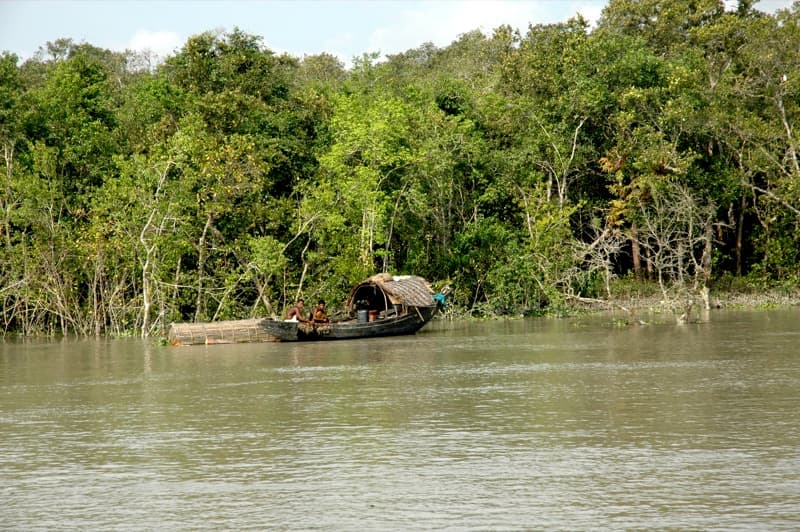
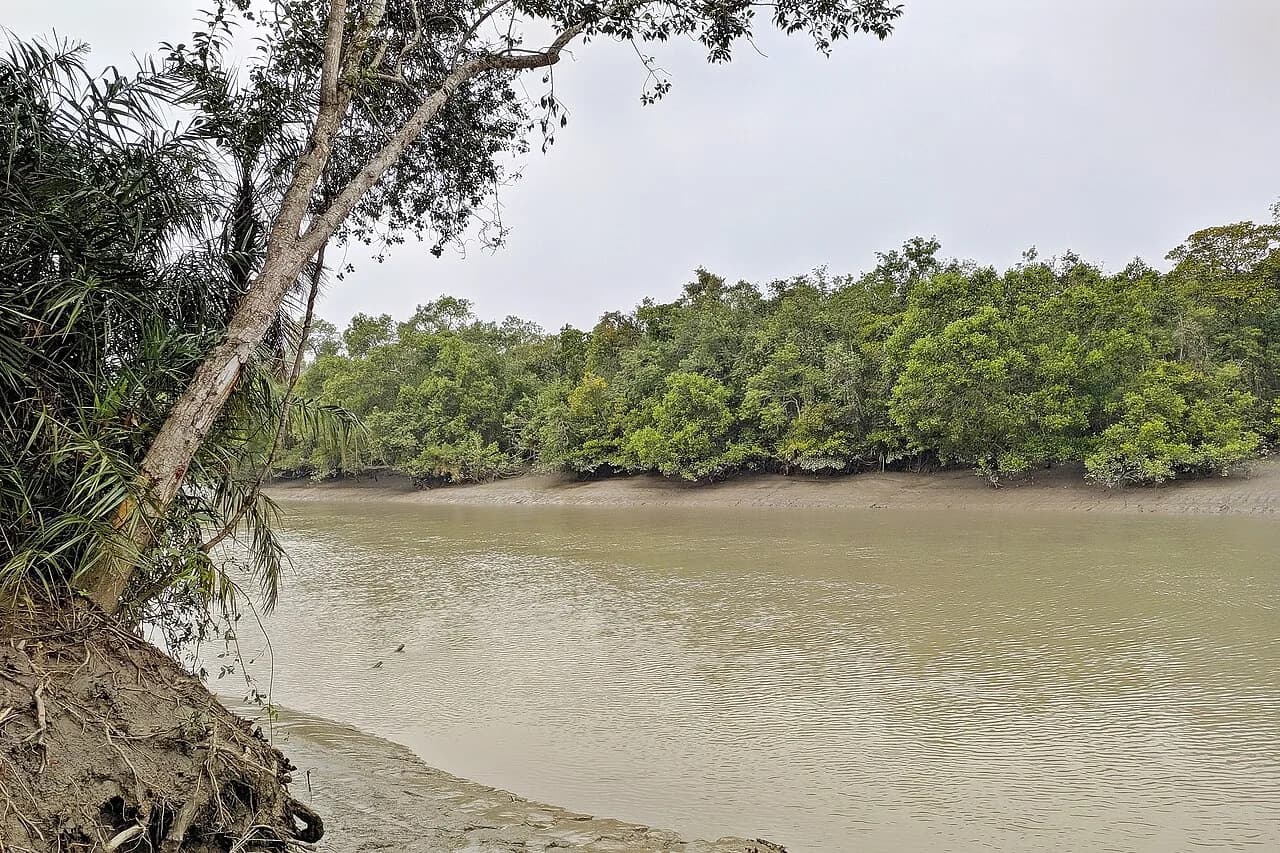
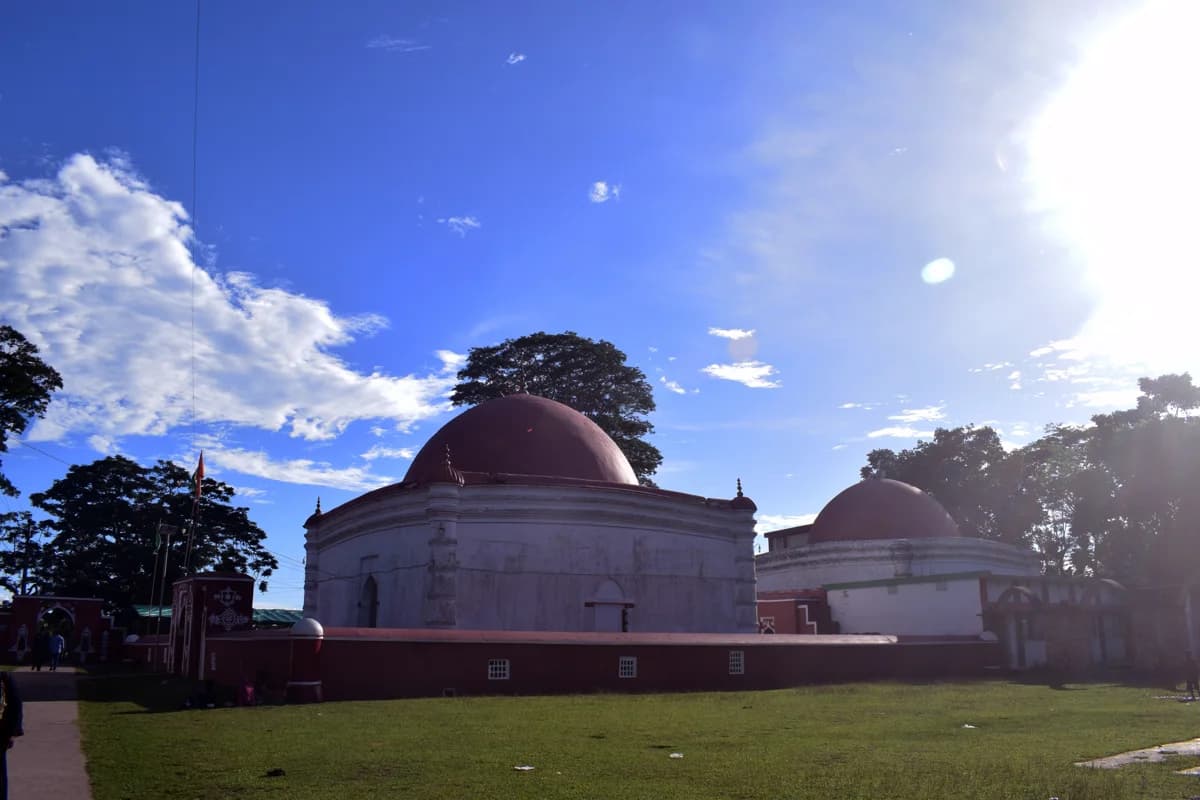
Bagerhat is a district of heritage and mangroves. In the 15th century Khan Jahan Ali built a city here called Khalifatabad, and its mosques, tanks and old roads are still scattered through the villages — in 1985 UNESCO listed the 'Historic Mosque City of Bagerhat' as a World Heritage Site. At its heart are the Sixty Dome Mosque and the Bagerhat Museum; nearby are Khan Jahan Ali's shrine and Khanjali Dighi, and the Nine Dome, Singair, Bibi Begni, Chunakhola and Ronvijoypur mosques. Kodla (Ayodhya) Math is near town, and Chandramahal Eco Park is at Ranjitpur.
In the south, Mongla port sits on the Pasur river; from there trawlers run to Karamjal and Harbaria in the Sundarbans, and launch packages go on to Kotka–Kochikhali and Dublar Char. For history lovers, families and students Bagerhat is an easy one-day trip; if you love forests and rivers, add the Sundarbans via Mongla and plan two or three days.
1) By bus: via the Padma Bridge, Meghna, Banful, Falguni, Hanif, Sohag and other coaches leave Sayedabad, Jatrabari and Gabtoli for Bagerhat morning and night, roughly 5–6 hours.
2) By train: Jahanabad Express via the Padma Bridge from Kamalapur (dep. 8:00 pm, arr. Khulna 11:40 pm, off Monday — December 2024 timetable) or the Sundarban Express to Khulna. From Khulna's Sonadanga stand a bus to Bagerhat takes about an hour.
3) Getting around: rickshaw or easy-bike from Bagerhat bus stand to the Sixty Dome Mosque; hire an easy-bike by the hour or day to cover all the mosques. The Sixty Dome Mosque and museum ticket is Tk 30 for Bangladeshis, with online e-tickets since January 2026.
4) Sundarbans: bus to Mongla, then a trawler from the ferry ghat to Karamjal. A Forest Department permit is required; the Sundarbans reopened to tourists on 1 September 2026.
History & identity
This area was once part of the Sundarbans. In the 15th century a ruler titled Khan Jahan — known as Khan Jahan Ali — cleared the forest and built settlements, mosques, tanks and roads; Banglapedia says he served under Sultan Nasiruddin Mahmud Shah and died in 1459. The Sixty Dome Mosque was built between 1442 and 1459. In 1516, under Nusrat Shah, the town emerged as a mint town, and in 1535 Sultan Ghiyasuddin Mahmud Shah named it Khalifatabad-Badarpur. In British times Bagerhat was a subdivision of Khulna district; it became a municipality in 1863 and a full district in 1984. The seaport founded at Chalna in 1950 moved to Mongla on 11 December 1954. In 1971 the district saw many massacres — about 200 people were killed at Khalishakhali and Babuganj Bazar on 21 April and 42 at Shakharikathi Hat in Kachua on 3 May; nine mass graves have been identified.
Local food & products
Bagerhat is prawn country — golda and bagda prawns from the farms of Rampal and Fakirhat, plus river fish, are the real local flavour; ask for prawn bhuna at rice hotels. Simple rice-and-fish eateries sit by the Sixty Dome Mosque gate, the bus stand and Khan Jahan Ali's shrine — check cleanliness first. The district is also known for coconuts and betel nut. If you stay in Khulna, don't miss mutton or beef cooked with chui jhal. There is no food on the Karamjal trawler, so take lunch and water from Mongla.
Where to stay
The Sixty Dome Mosque needs only a day, so most visitors stay in Khulna, about an hour away, which has far more and better hotels — e.g. Hotel Castle Salam, Tiger Garden International and Hotel Royal International. Bagerhat town has a few simple residential hotels, including Hotel Mamtaz on Rail Road. To combine with the Sundarbans you can stay in Mongla, and on a 3-day launch package the cabin is your bed.