Naogaon, in the Barind region, is one of Bangladesh's richest districts for archaeology. Pala-era Buddhist monasteries, a Sultanate mosque, zamindar palaces and Tagore's estate office are all here, along with endless rice fields, rows of palm trees and sal forest.
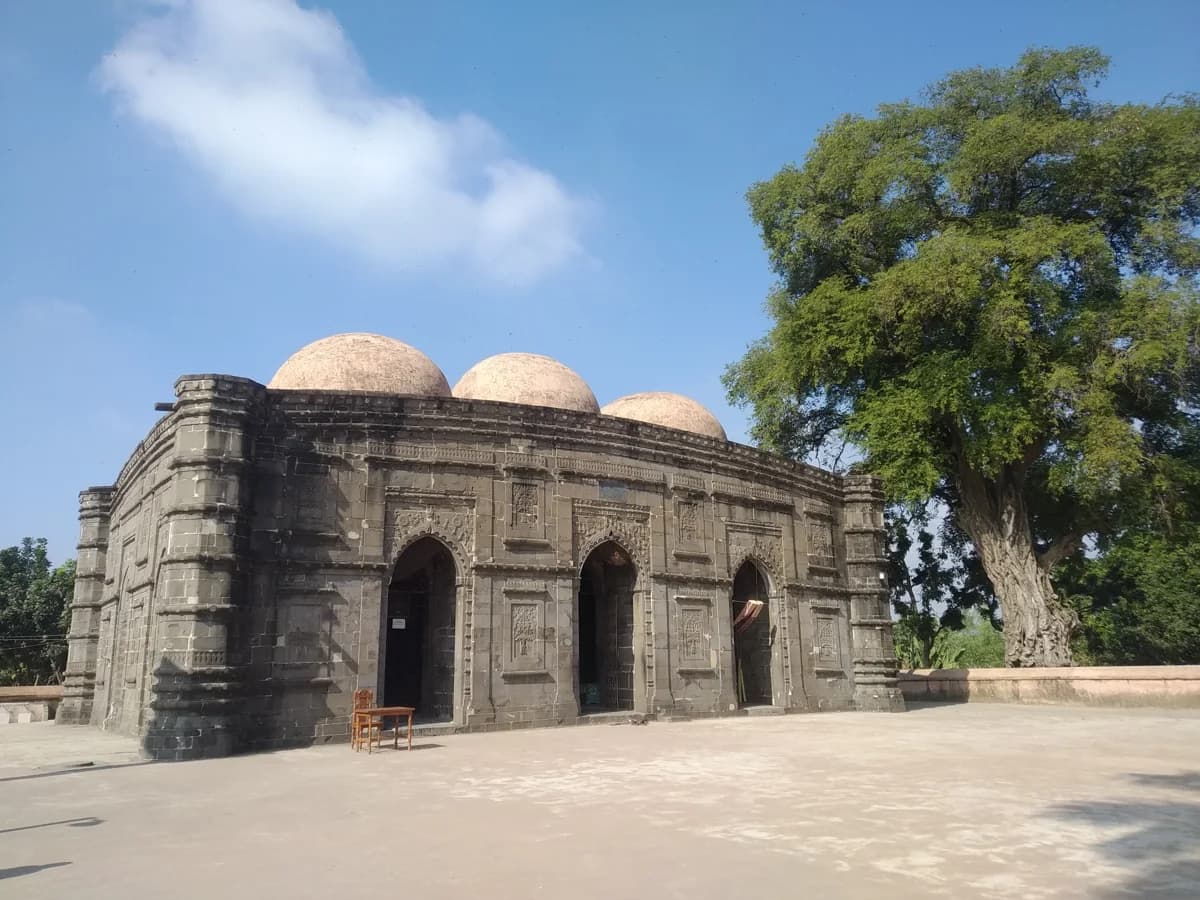
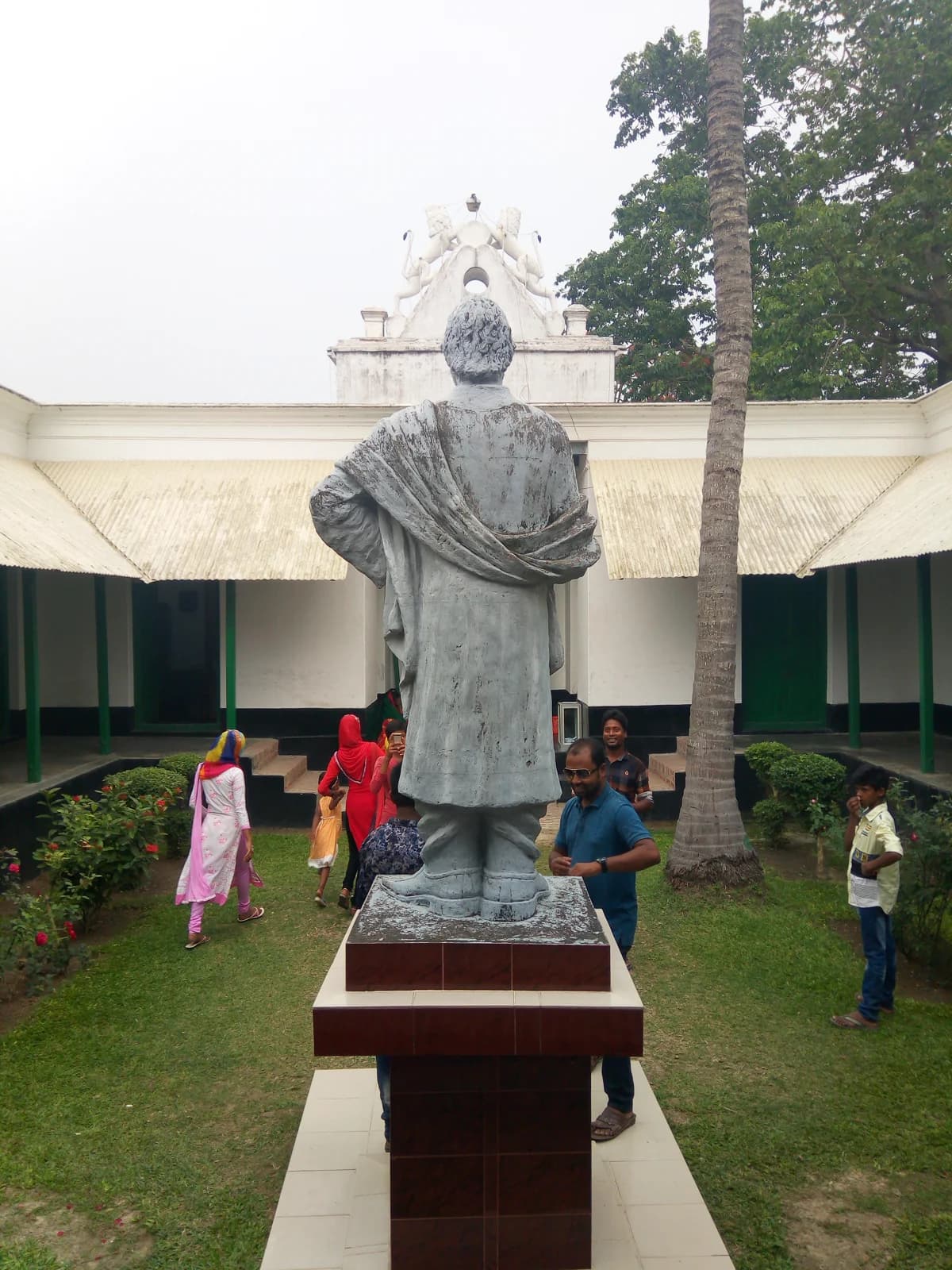
The most famous sight is Paharpur, the Somapura Mahavihara in Badalgachhi, a UNESCO World Heritage Site. There is also the Jagaddala Vihara in Dhamoirhat, the black-stone Kusumba Mosque in Manda and the Patisar Rabindra Kachharibari in Atrai. Add Balihar Rajbari in Sadar, Dibor Dighi in Patnitala, Altadighi and its sal-forest national park (with migratory birds in winter) and the palm-lined Ghughudanga road in Niamatpur. Naogaon is ideal for history lovers, students and photographers. The sites are spread out, so allow at least two days.
1) By bus: SR, Hanif, Shyamoli NR, Shah Fateh Ali and Ekota run from Gabtoli, Kallyanpur, Mohakhali and Abdullahpur to Naogaon in 6–7 hours.
2) By train: take the Ekota, Drutojan, Nilsagar, Lalmoni, Rangpur, Kurigram or Panchagarh Express from Kamalapur to Santahar, then a CNG or auto to Naogaon town. For Paharpur, getting off at Joypurhat is easiest. Jamalganj, one stop earlier, is only 5 km from the vihara.
3) Getting around: buses and CNGs leave from Baludanga bus stand in Naogaon. Distances: Paharpur about 32 km (10–13 km from Joypurhat), Kusumba 35 km, Patisar 35 km, Balihar 16–18 km. To see several sites in one day, reserve a CNG or microbus.
History & identity
Naogaon is part of the ancient Barind land. The Pala king Dharmapala (r. c. 781–821) built the Somapura Mahavihara at Paharpur in the late 8th century. For about 300 years monks and students came here from across the subcontinent, China, Tibet and Southeast Asia, and Atish Dipankar taught here in the 10th century. UNESCO listed it as a World Heritage Site in 1985. Tradition credits the Pala king Ramapala with founding the Jagaddala Vihara in the 11th century. According to its inscription, the Kusumba Mosque was built in 966 AH (1558–59 CE) in the reign of the Sur ruler Ghiyasuddin Bahadur Shah.
Dwarkanath Tagore bought the Kaligram pargana in 1830. Rabindranath first came to Patisar in 1891 and founded an agricultural bank there in 1905. Naogaon became a subdivision in 1877 and a district in 1984. In 1971 it was the headquarters of the EPR's Wing 7. On 24 April, 78 people were killed at Ataikula in Raninagar, and in August 128 were killed at Pakuria in Manda.
Local food & products
Naogaon's most famous sweet is para sandesh, sold at sweet shops in town. Fish from the Atrai river area is also worth trying. The Gostohati crossing area in town has several good restaurants, and Baludanga bus stand has basic eateries. Around Paharpur, Kusumba and Patisar there are tea stalls and simple rice-and-fish hotels. For a proper meal, eat in Naogaon or Joypurhat town.
Where to stay
Naogaon town is the best base, with Paharpur, Kusumba, Patisar and Balihar between half an hour and an hour and a half away. If you only want Paharpur, you can also stay in Joypurhat. Naogaon has no upscale hotels but several mid-range ones. Familiar names:
• Hotel Plabon
• Hotel Obokash
• Hotel Jamuna
• Mallika Inn
• Hotel Fariyal and Hotel Raj
There is also a Zila Parishad dak bungalow in town. Patisar has no lodging for ordinary visitors.