Make time for
2–3 hours; a full day from Dhaka.

GHOORISM
আপনার ভ্রমণ আসছে… · Your journey is loading…
A new place. A good story.
Narsingdi · Dhaka
2–3 hours; a full day from Dhaka.
November–March is best. In the monsoon dirt paths and excavation pits fill with mud and water.
Narsingdi · Dhaka
3 November 2026
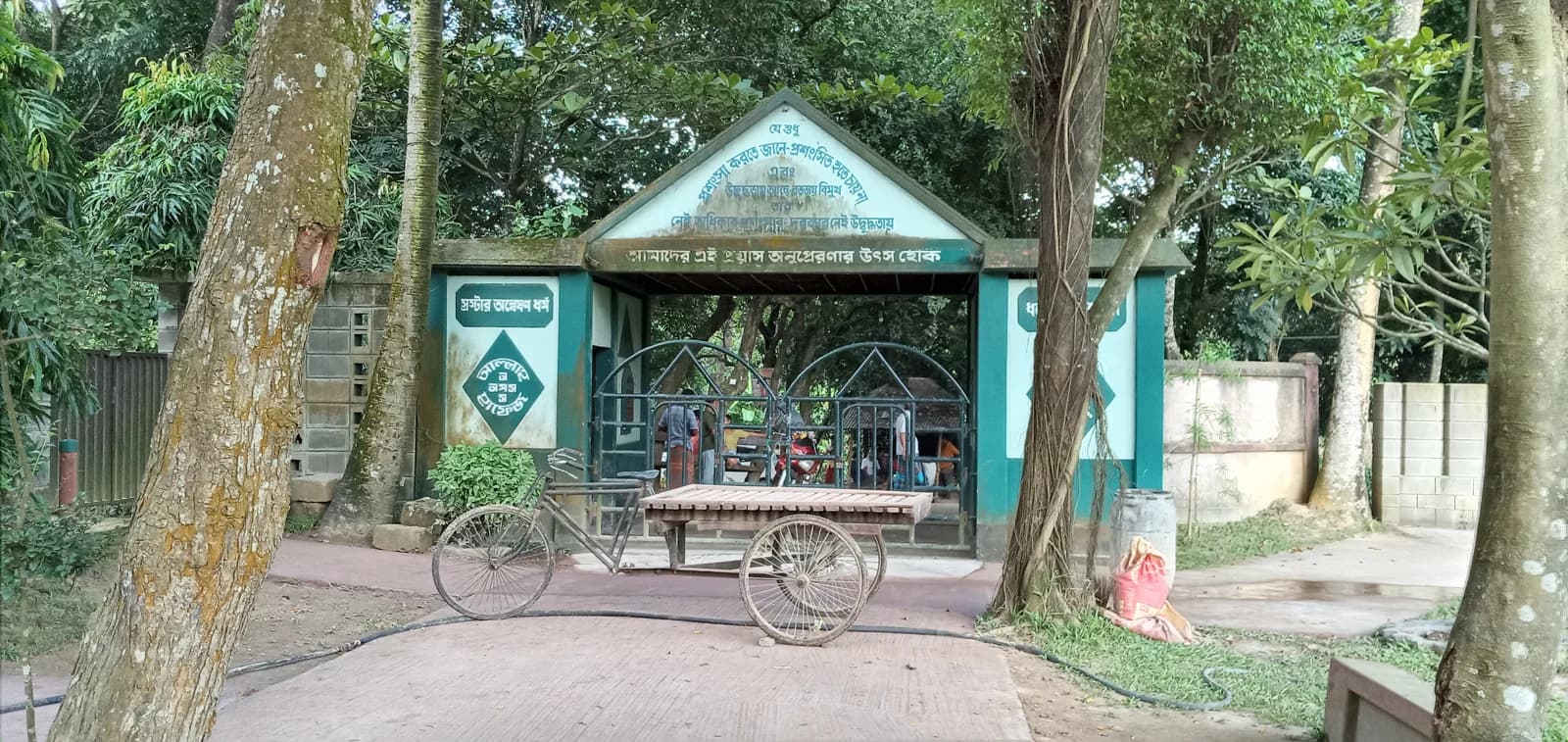
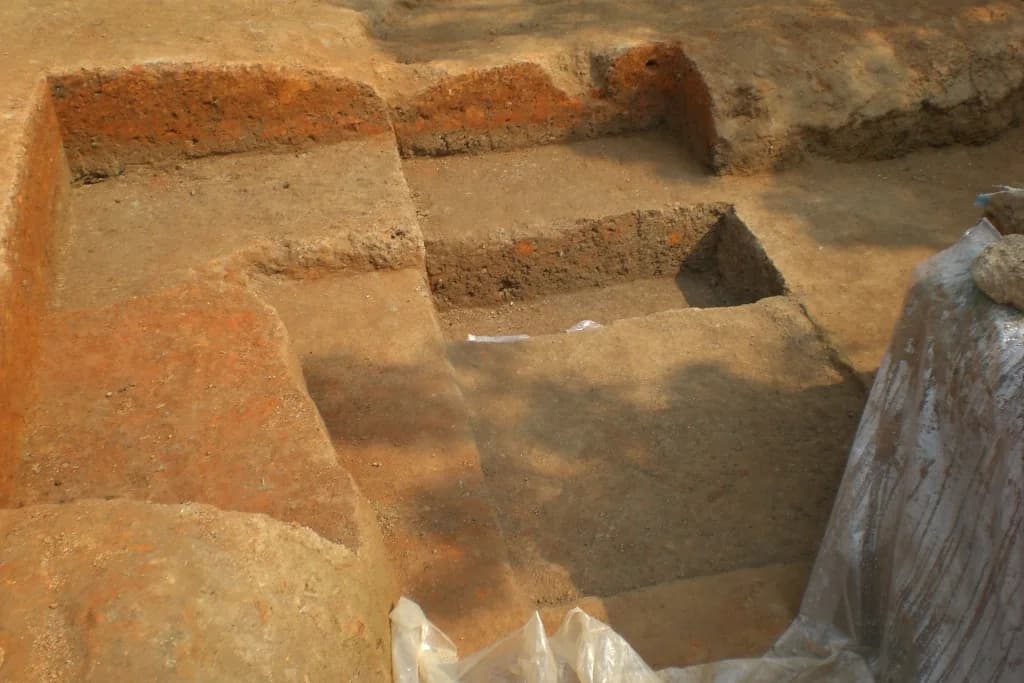
An ordinary village field, yet beneath the soil lies a city more than two and a half thousand years old — Wari-Bateshwar in Belabo, Narsingdi, is one of the oldest urban archaeological sites in Bangladesh, settled around 450 BCE. It began with a local schoolteacher and his son, who for years collected the coins, beads and objects turned up in the fields here. Regular excavation since 2000 has revealed fortifications, a road, punch-marked silver coins and evidence of trade with distant lands. For history lovers it is a living classroom. • A 600 × 600 m fortified town with a moat • Punch-marked coins and beads found in digs • The Pathan family's private collection at Bateshwar
Local views, travel moments and the people behind the camera.
1) Bhairab-bound bus from Mohakhali to Marjal bus stand. 2) CNG or easy-bike from Marjal to Wari. 3) Or train to Narsingdi, then CNG.
Only tea stalls near the site; eat at Marjal bazar or in Narsingdi town. Narsingdi means lotkon (burmese grape) — buy them fresh from Shibpur and Belabo orchards in the monsoon, along with its famous sagar bananas. Hamdu Hotel in Shibpur is known for bhorta and beef.
An easy day trip from Dhaka. To stay overnight, use a basic hotel in Narsingdi town or Bhairab. There is a government rest house at Wari-Bateshwar, but check first whether ordinary visitors can book it.
Great for history-minded teenagers. Lots of walking in open fields with little shade.
• Don't go into excavation pits; taking any artefact is punishable. • Ask in advance to see the Pathan family's collection. • Little shade in the open fields — bring a hat and water.
| Route | By | Operators & departure | Time |
|---|---|---|---|
| Mohakhali, Dhaka → Marjal bus standFare depends on operator (April 2026 listing). | Bus | Bhairab-bound buses (various operators)Mohakhali bus terminal; also Gulistan, SayedabadFrequent through the day | About 2–2.5 hours (traffic dependent) |
| Dhaka (Kamalapur) → NarsingdiFrom Narsingdi continue by CNG to Wari. | Train | Mahanagar, Titas Commuter, Egarosindhur (Bangladesh Railway)Kamalapur Railway StationSeveral departures daily | About 1 hr 15 min |
| Marjal → Wari-Bateshwarশেয়ারেও যাওয়া যায়। | CNG / auto-rickshaw | CNG auto-rickshaw, easy-bikeMarjal bus standOn demand | About 20–30 minutes |
Fares and times change. Confirm with the operator before you travel. Last checked: 27 April 2026
In Belabo upazila, Narsingdi, across the neighbouring villages of Wari and Bateshwar, close to Marjal on the Dhaka–Sylhet highway.
Carbon-14 dates the Wari settlement to about 450 BCE; main occupation was 400–100 BCE, roughly 2,500 years ago.
Bhairab-bound bus from Mohakhali to Marjal, then CNG/easy-bike to Wari. Or train from Kamalapur to Narsingdi and a CNG from there.
The open-air Fort City Museum (2018), the moat and the Asam Rajar Garh rampart, excavation trenches, the Buddhist Lotus Temple foundations, and the Pathan family's private collection at Bateshwar.
November–March: fields and paths are dry and walking is pleasant. In the monsoon paths and trenches fill with mud and water.
Best season in this guide: November–March is best. In the monsoon dirt paths and excavation pits fill with mud and water.
Loading forecast…
Model forecast, not a live observation or official safety alert. Daily ranges use the available forecast hours.
MET Norway · CC BY 4.0 · Summarised by GhoorismWari-Bateshwar Archaeological Site · Narsingdi
Show me the wayAdd to My BangladeshStraight-line distance from here — road distance is longer.
YOUR DESTINATION, IN ONE PLACE
Loading details…
Narsingdi · Dhaka
An ordinary village field, yet beneath the soil lies a city more than two and a half thousand years old — Wari-Bateshwar in Belabo, Narsingdi, is one of the oldest urban archaeological sites in Bangladesh, settled around 450 BCE. It began with a local schoolteacher and his son, who for years collected the coins, beads and objects turned up in the fields here. Regular excavation since 2000 has revealed fortifications, a road, punch-marked silver coins and evidence of trade with distant lands. For history lovers it is a living classroom. • A 600 × 600 m fortified town with a moat • Punch-marked coins and beads found in digs • The Pathan family's private collection at Bateshwar
Get directions in Google MapsChoose your starting point in Google Maps.