Satkhira is a coastal border district in the far south-west — on one side the western Sundarbans and a web of rivers and creeks, on the other Baro-Bhuiyan era monuments and low-lying villages ringed by shrimp farms. From Munshiganj in Shyamnagar, trawlers run into the Sundarbans to Kalagachia and Dobeki; at the forest's southern edge lies the lonely Mandarbaria beach on the Bay of Bengal, which needs prior Forest Department permission.
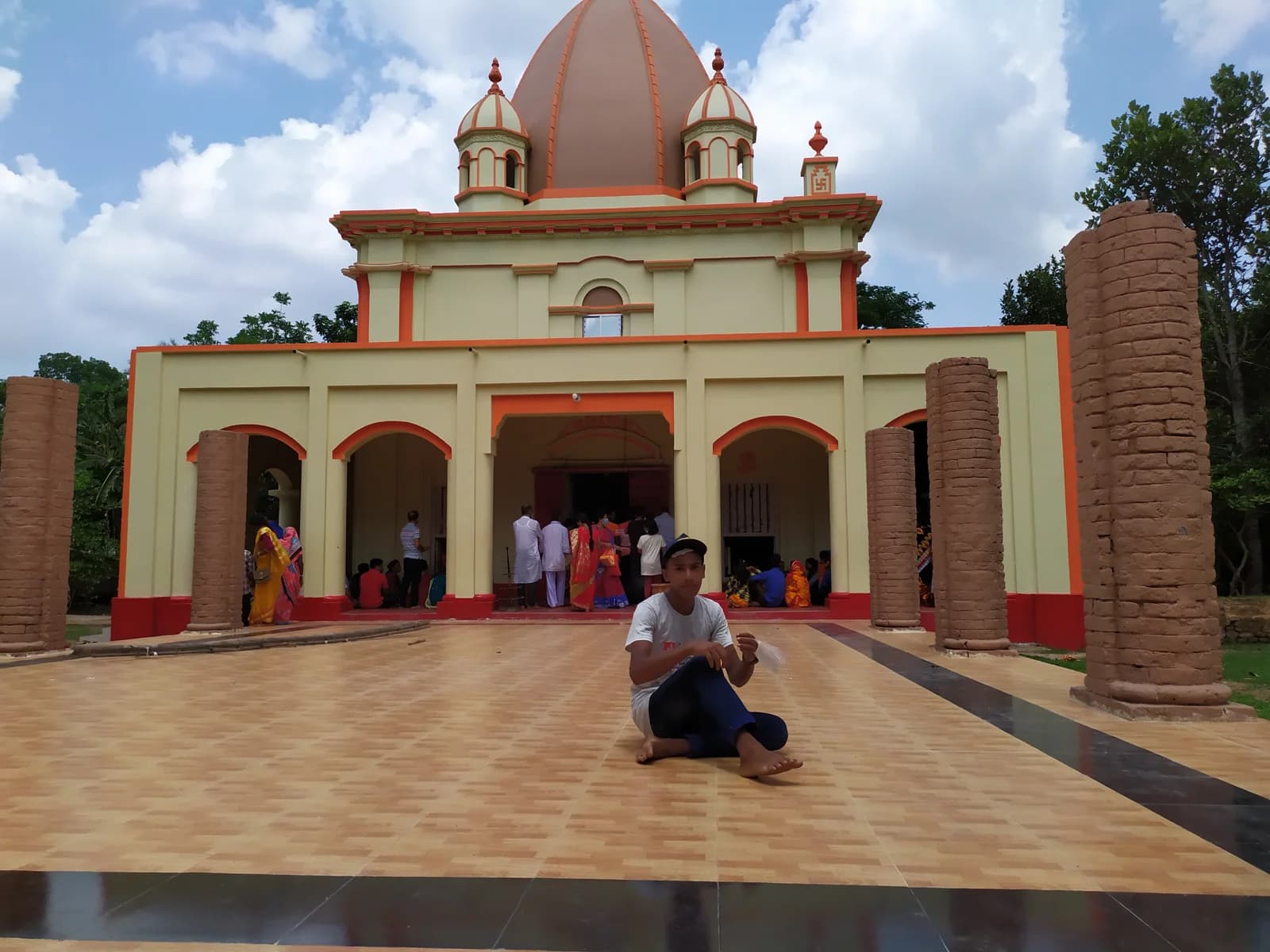
At Ishwaripur in Shyamnagar are reminders of Maharaja Pratapaditya's capital — the Jeshoreshwari Kali Temple and the Hammamkhana. There are also the Tetulia Shahi Jame Mosque, the Probajpur and Bangshipur Shahi mosques, the Sonabaria Math at Kalaroa, and Mozaffar Garden & Resort for families. Satkhira suits nature lovers, photographers and history-minded groups who want mangroves, rivers and heritage together, and a quieter way into the Sundarbans than Khulna or Mongla.
1) Bus: Dhaka–Satkhira via the Padma Bridge (Mawa–Bhanga–Gopalganj–Khulna) is 257 km. AC and non-AC buses also run direct from Dhaka to Shyamnagar, about 6–7 hours.
2) Train: Satkhira has no railway; take a train to Khulna or Jashore and continue by bus.
3) Within the district: from Satkhira town by bus or Mahindra via Kaliganj to Shyamnagar, then on to Munshiganj. From Shyamnagar to Ishwaripur a rickshaw or auto; the temple, Hammamkhana and nearby monuments fit in one day.
4) Sundarbans: day trips by trawler from Munshiganj to Kalagachia and Dobeki, or small trawlers (10–15 people) for 2-night/3-day trips. A Forest Department permit or pass is needed; the forest is closed to all entry every year from 1 June to 31 August for fish breeding.
History & identity
The district's name is usually read as 'sat' (seven) and 'kshira' (cucumber). In the late 16th century the area was the heart of 'Jessore', the realm of Maharaja Pratapaditya, one of the Baro-Bhuiyans; from 1590 to 1610 his capital was Ishwaripur in Shyamnagar. The Hammamkhana dates from his reign, and in 1599, with help from his Portuguese soldiers, work began there on Bengal's first Catholic church. The Jeshoreshwari Kali Temple is counted among the 51 Shakti Pithas. At Sonabaria in Kalaroa the roughly 60-ft Navaratna (Shyamsundar) Math, built in 1767, still stands.
Under British rule Satkhira subdivision was formed under Jessore in 1861 and moved to Khulna in 1882; it became a district on 1 March 1984. On 21 April 1971 about 200 people were killed at the refugee camp in the town's Government High School, and freedom fighters fought at Bhomra, Garura in Shyamnagar, Debhata, Kulia and many other places. Bhomra Land Port is today one of the country's largest land ports.
Local food & products
Satkhira means shrimp and farmed fish — the south of the district has thousands of shrimp ghers, so tiger and giant river prawns, crab and river fish are easy to find in hotels in town and Shyamnagar. June is the season for Satkhira's Himsagar mangoes, which are exported as far as Europe; buy them at a mango market in season. Trawler packages from Munshiganj into the Sundarbans usually include meals; if you hire a day trawler yourself, carry dry food and water. In winter look out for date-palm molasses.
Where to stay
Satkhira town has simple residential hotels, while Shyamnagar–Munshiganj is the more convenient base for the Sundarbans and Ishwaripur. A November 2025 report says more than 20 eco-cottages have opened near the forest in the Khulna–Satkhira area. On 2–3 day Sundarbans trawler trips you sleep on board. Mozaffar Garden & Resort is the district's best-known leisure park.