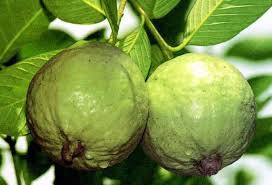
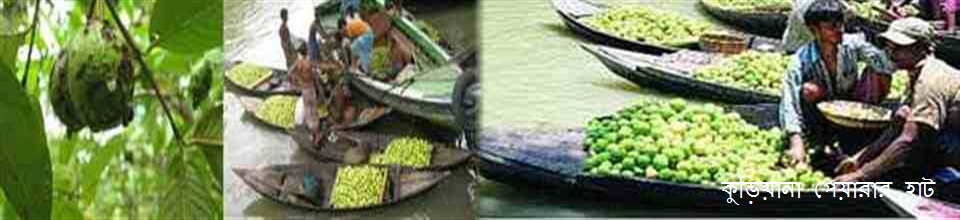
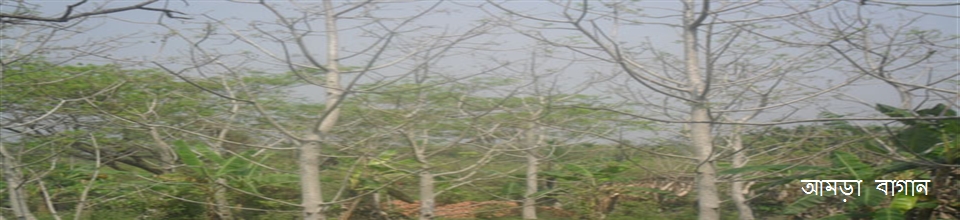
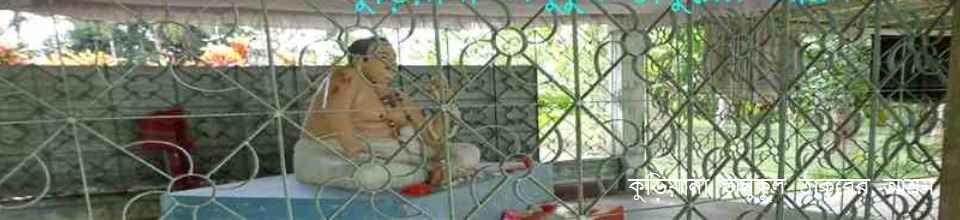
Pirojpur, a southern district laced with rivers and canals, is best known for the guava orchards and floating markets of Atghar-Kuriana in Nesarabad (Swarupkathi) upazila. Guava has been farmed here for about a century, with more than 2,000 orchards across 22 villages; in the monsoon, boats laden with guava, amra and betel nut trade on the canals, and small dinghies slip into the narrow channels between orchards. Other attractions include Anukul Thakur's ashram at Kuriana, the Rayerkathi zamindar house and the DC Park (River View Eco Park) near Pirojpur town, the wooden Momin Mosque, Horinpala Eco Park and Shapleza Kuthibari in Mathbaria, and the broad Baleshwar river.
Pirojpur suits families, groups of friends and photographers who love boat rides, village life and orchards. The most popular plan in the July–August guava season is a night launch out, a day on the canals and a launch back.
1) By launch: Barishal launches leave Sadarghat every evening and arrive at dawn. Regular launches also run from Sadarghat to Hularhat launch ghat, about 5 km from Pirojpur town.
2) By bus: via the Padma Bridge, Barishal buses run from Sayedabad, Gabtoli and Mohakhali; direct buses also run to Pirojpur bus terminal.
3) By air: Dhaka–Barishal flights take about 30 minutes.
4) Getting around: Atghar-Kuriana is about 29 km by road from Barishal via Swarupkathi, by CNG or auto, and about 41 km from Pirojpur town. From the ghat, small boats and trawlers go to Bhimruli; alternatively a dinghy from Kirtipasha ghat for a full canal tour. Rickshaws and autos in town.
History & identity
By tradition the name comes from Firoz Uddin Sardar, a landlord killed in Dhaka in 1753 amid the intrigues of Ghaseti Begum and Rai Durlabh; the settlement was called 'Firozpur', which became Pirojpur over time. In 1857 a peasant revolt against the British and the zamindars at Singkhali in Bhandaria, led by Gagan and Mohan Miah, left 17 rebels dead. Pirojpur became a subdivision of Bakerganj on 28 October 1859, gained a municipality in the 1880s and became a district on 1 March 1984. In 1971 about 1,000 people were killed in the Atghar-Kuriana area, and Bhagirathi, a woman who carried information to freedom fighters, was brutally murdered. On 6 December Sundarbans-based freedom fighters attacked from three sides, and Pirojpur was freed on 8 December. The poet Ahsan Habib and journalist Tofazzal Hossain Manik Miah came from the district.
Local food & products
In season (mid-June to mid-September) tree-ripe guava and amra come straight from the orchards — Pirojpur's best gift to take home. At Bhimruli a floating eatery on stilts over the canal serves breakfast, and the canal-side 'Boudir Hotel' is known for hot rice, piyaju, river fish, giant prawn bhuna and sour amra chutney. Kuriana Bazar has lunch places and is known for local sweets. Water-lily stems are sold at the market too — a favourite local curry. The district also grows plenty of coconut, betel nut and betel leaf.
Where to stay
Atghar-Kuriana has no hotels for an overnight stay, so most visitors base themselves in Barishal or take the night launch back; Swarupkathi and Pirojpur town have basic residential hotels. Barishal has well-known hotels such as Hotel Grand Park, Hotel Athena International, Hotel Sedona, Hotel Arena and Hotel Rodela.