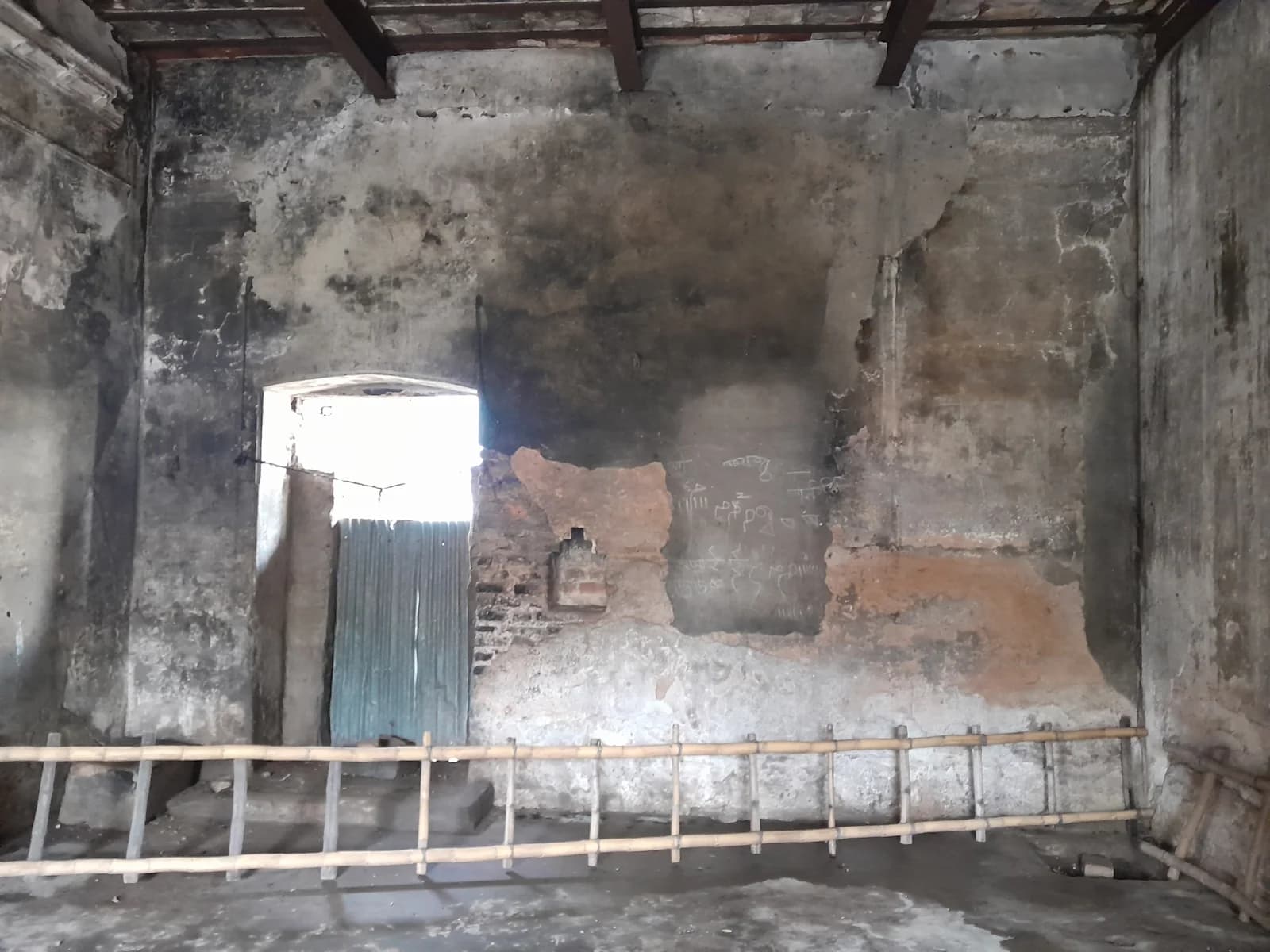
Brahmanbaria is the land of the Titas river — a district of zamindar houses, Mughal monuments, border haats and a musical tradition, easy to visit from Dhaka in a day. In Nasirnagar, on the east bank of the Titas, stands Haripur Zamindar Bari (Borobari), built in 1843–1850 and the setting of many films including 'Ghetuputra Komola'; Gokarna Nawab Bari is in the same upazila. Sarail has the Arifail Mosque of 1662, and Bariura the Mughal-era Hatirpul bridge of about 1650.
In town, the Kal Bhairab temple at Medda has a Shiva image about 24 ft tall; Kasba has the India–Bangladesh border haat; and Daruin in Akhaura holds the grave of Birshreshtha Mostafa Kamal. In the monsoon, boat rides on the Titas and the lotus wetland at Ghagutia are extra draws. For heritage lovers and photographers Brahmanbaria makes a fine day trip — and don't leave without its famous chhanamukhi sweet.
1) By train: many Dhaka–Chattogram and Dhaka–Sylhet trains pass through Brahmanbaria and Akhaura — e.g. the Mohanagar Express (March 2025 report) — and the Titas Commuter runs Dhaka–Brahmanbaria (July 2026). Akhaura is one of the country's biggest rail junctions. Check current timetables on Bangladesh Railway's e-ticket site.
2) By bus: buses to Brahmanbaria leave the Sayedabad and Kamalapur area from dawn to late night. For the Arifail Mosque get off at Sarail Biswa Road junction.
3) Haripur Zamindar Bari: take a Sylhet- or Habiganj-bound bus to Madhabpur on the Dhaka–Sylhet highway, then a CNG west to the Titas bank; or about 15 km from Nasirnagar town.
4) Getting around: rickshaws and autos in town; reserve a CNG for the upazilas. For Hatirpul get off a Sylhet-bound bus at Bariura stand. In the monsoon you can hire a boat on the Titas and land at Haripur's ghat.
History & identity
Part of ancient Samatata, the area was once under the Tripura kingdom. In 1513 Sultan Alauddin Husain Shah defeated Tripura's king Dhanya Manikya, annexed the area and built Kaliagarh fort — the origin of today's Kasba. The Baro-Bhuiyan leader Isa Khan had his first, temporary capital at Sarail, and in Mughal times the area was known for muslin. Hatirpul was built around 1650 under Dewan Shahbaz Khan, and the Arifail Mosque at Sarail in 1662. In 1790 the British made Brahmanbaria a subdivision of Comilla; it became a municipality in the late 1860s. Nawab Syed Shamsul Huda became president of the All-India Muslim League in 1921, and the revolutionary Ullaskar Datta was also from here. On 18 April 1971 Birshreshtha Sepoy Mohammad Mostafa Kamal fell fighting at Daruin; on 22 November many freedom fighters were killed at Latoamura in Kasba, and the Kal Bhairab image was damaged in the war. Brahmanbaria became a district, separated from Comilla, on 15 February 1984.
Local food & products
Brahmanbaria's signature is chhanamukhi — it received Geographical Indication (GI) status in 2024. Mahadev Misthan Bhandar on Mahadev Patti in town has made it for about 180 years. The same shop also sells talar bora, rasmalai, zafrani bhog and rajbhog. In the monsoon, fresh Titas fish is the draw at local eateries. There are no restaurants around Haripur Zamindar Bari, so carry water and snacks and eat lunch in Madhabpur bazar or town.
Where to stay
Because it is an easy day trip from Dhaka, most visitors don't stay overnight. If you do, Brahmanbaria town has a few residential hotels — e.g. Hotel Titas View, listed on online booking sites. Near Haripur, Madhabpur bazar has the District Parishad rest house, Madhabpur Highway Rest House and a few basic hotels; for better standards go to Habiganj or Brahmanbaria town. Confirm by phone or online before you go.